Resources


Emergency & Crisis Resources

If you are experiencing an immediate or life-threatening emergency, call 911 or go to the nearest emergency department. For additional resources, see here.

988 Suicide & Crisis Lifeline

Free, confidential support for anyone experiencing emotional distress, a mental health crisis, suicidal thoughts, substance-use concerns, or simply needing someone to talk to.

Call or text 988 anytime, 24/7/365. Online chat is also available through the 988 Lifeline.

National Domestic Violence Hotline

Confidential support, safety planning, and help connecting with local resources for people experiencing domestic violence or relationship abuse.

Call 1-800-799-SAFE (7233) or text START to 88788. Live chat is also available online.

The Trevor Project

Free, confidential crisis support for LGBTQ+ young people throughout the United States.

Call 1-866-488-7386 or text START to 678678. Phone, text, and online chat support are available 24/7.

RAINN National Sexual Assault Hotline

Free, confidential, 24/7 support for people affected by sexual assault or sexual violence, including help identifying local services and next steps.

Call 1-800-656-HOPE (4673) or text HOPE to 64673. Online chat is also available.

For thinking, learning, and continuing the work

Therapy isn't the only place where insight happens.

A book, conversation, video, question, or idea can sometimes give us language for something we've been experiencing for years—or help us notice something we hadn't quite been able to see before.

I've collected some of the resources I find useful here. Some relate directly to the approaches I use in therapy, while others explore broader questions about stress, relationships, meaning, behavior, and what it means to live intentionally.

You don't need to read, watch, or listen to anything here in order to work with me. Think of this as a library to explore if and when something catches your interest.

Person lounging on a green sofa, reading a book, with feet up on the wall. The sofa has decorative pillows, and in the background, there are shelves with books and decorative items, along with a coat rack with a purse and coat hanging.

Video library: for watching, listening, and learning

Sometimes an idea lands differently when you hear the person behind it explain it. These are a few talks, interviews, and practices I especially like.

Attachment Theory and Emotionally Focused Therapy | Dr. Sue Johnson | Being Well Podcast

Sue Johnson, psychologist and developer of Emotionally Focused Therapy, offers a compassionate way of understanding the patterns we develop in our closest relationships. I appreciate her work because it helps us look beneath the frustration, withdrawal, or defensiveness that can emerge when we feel disconnected from the people who matter to us. In this conversation with Rick and Forrest Hanson, she explores how attachment needs continue throughout adulthood, why familiar relationship patterns can be so difficult to change, and how vulnerability and emotional responsiveness can help us create more secure, meaningful connections.

Taking in the Good: The Science of Positive Experiences | Rick Hanson | Greater Good Science Center

Psychologist Rick Hanson explores how our brains tend to give greater attention to negative experiences and what we can do to intentionally take in more of the good. I appreciate his work because it reminds us that meaningful change isn't just about understanding what's painful or unhelpful in our lives. It's also about learning to notice, savor, and build upon the experiences that nourish us. This short video introduces a simple practice for slowing down enough to let positive moments register, rather than allowing them to pass by unnoticed.

Psychological Flexibility: How Love Turns Pain Into Purpose | Steven C. Hayes | TEDx Talk

One of my favorite introductions to Acceptance and Commitment Therapy (ACT). Steven Hayes explores what happens when we stop organizing our lives around getting rid of difficult thoughts and feelings and begin making room for them while moving toward what matters to us. He reminds us that a meaningful life doesn't require the absence of discomfort, but rather a more open and intentional way of responding to it.

A quote I love: “Bringing love to yourself even when it's hard will help you bring love into the world in the way that you want to bring it into the world.”

The Power of Vulnerability | Brené Brown | TEDx Talk

Brené Brown explores the relationship between vulnerability, connection, and our willingness to show up authentically in our lives. I appreciate her work because it challenges the idea that living well requires us to be perfectly confident, certain, or in control. Instead, she invites us to consider how embracing our imperfections and allowing ourselves to be seen might actually create more meaningful relationships and experiences. It's a helpful perspective for anyone working toward a life that feels more connected, courageous, and genuinely their own.

Meditation: Accepting the Mind | Headspace | Mindfulness Practice

Meditation isn't necessarily about clearing your mind or finding a constant state of calm. Instead, it can help us practice noticing what's happening internally without immediately needing to respond, change, or fix it. I like this short introduction from Headspace because it offers a simple way to think about mindfulness: creating a little more space between what we experience and what we do next. Over time, that practice can help us relate differently to uncomfortable thoughts and emotions.

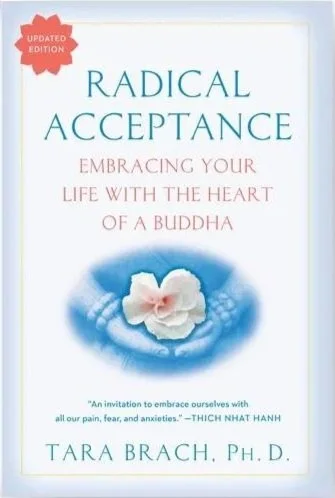
Radical Acceptance: Gateway to Love, Wisdom, and Peace | Tara Brach | Talk

Tara Brach explores what happens when we stop using so much energy to resist what is already here. Radical acceptance isn't passivity or deciding that something is okay; it creates enough space to meet our experience more clearly and choose how we want to respond from there.

The Hand Model of the Brain: Understanding Emotional Regulation | Dr. Dan Siegel | Educational Video

Dan Siegel uses a simple hand model to explain what happens in our brains when we become overwhelmed by stress or strong emotions. I appreciate this explanation because it helps us understand why we sometimes react in ways that don't align with how we want to show up. When our nervous systems become highly activated, accessing the parts of our brain involved in reflection and thoughtful decision-making can become more difficult. Understanding this can help us approach our reactions with a little more curiosity and a little less judgment.

Books worth exploring

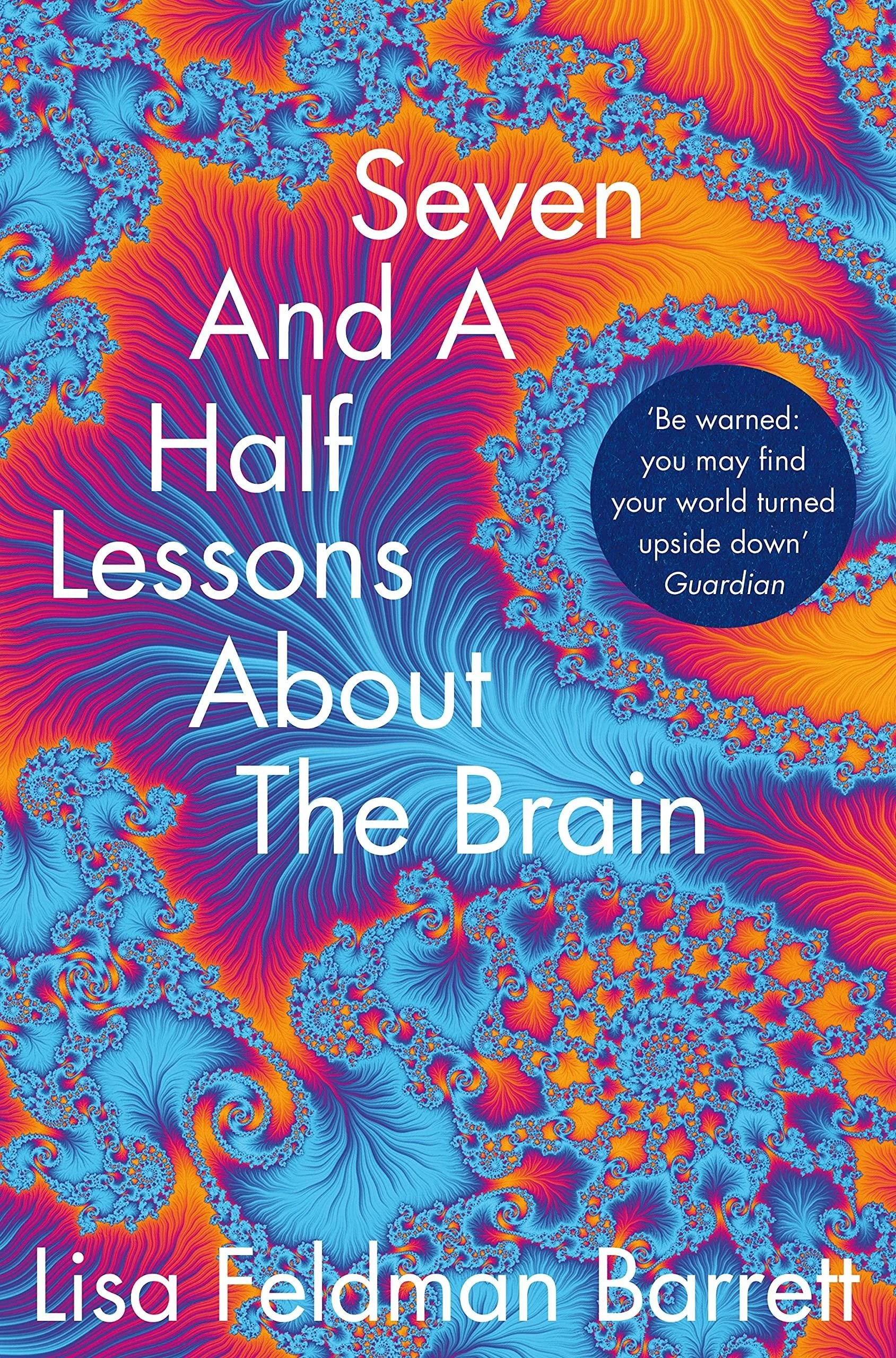
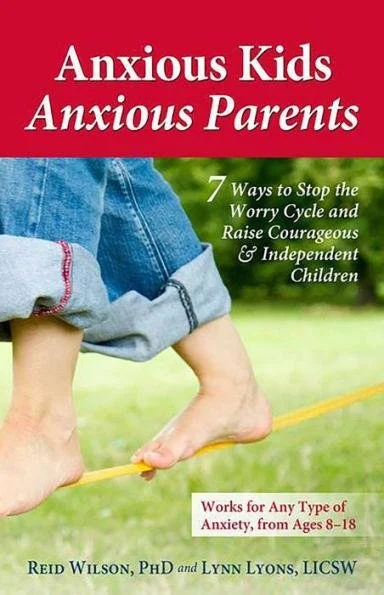
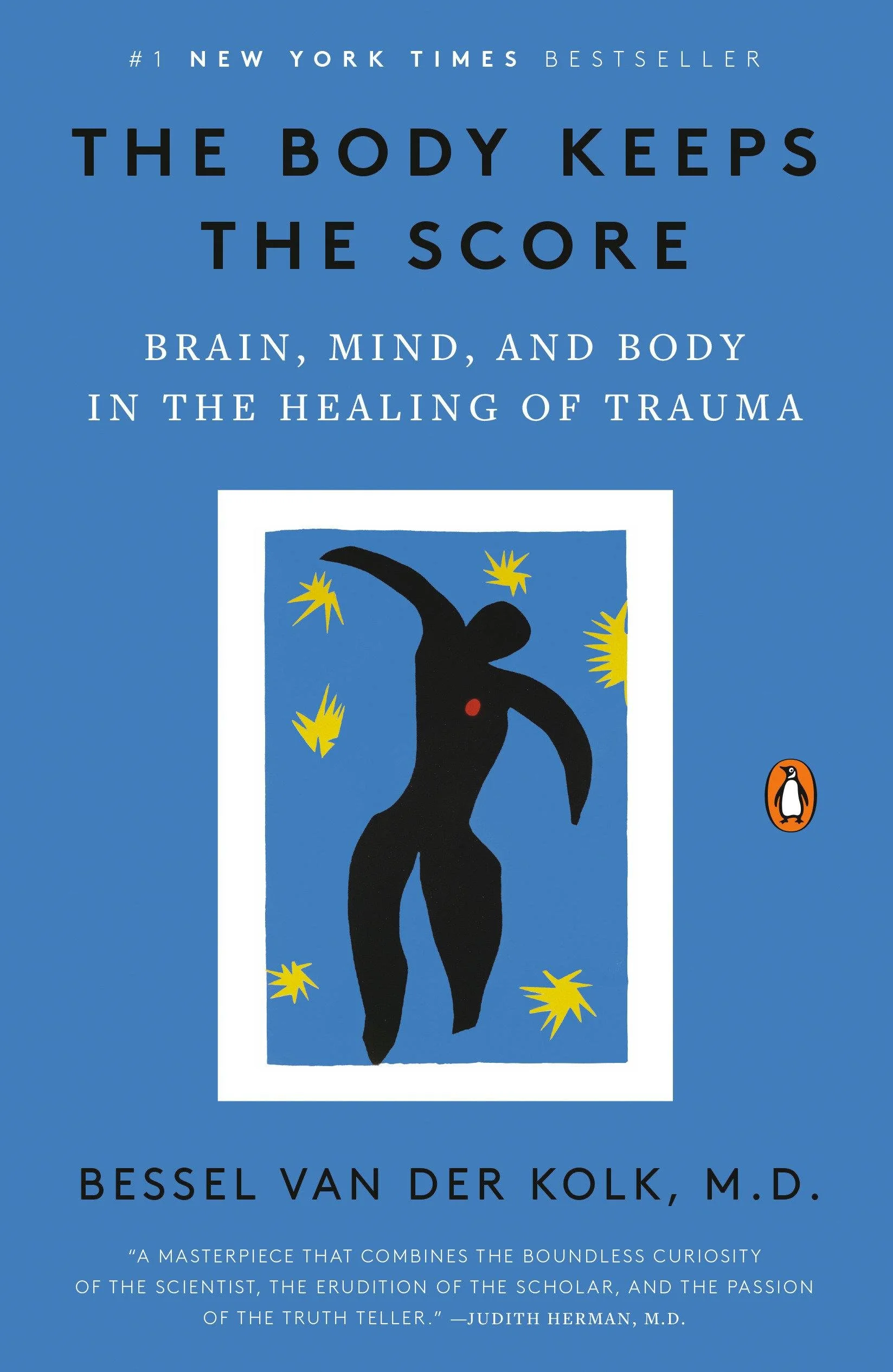
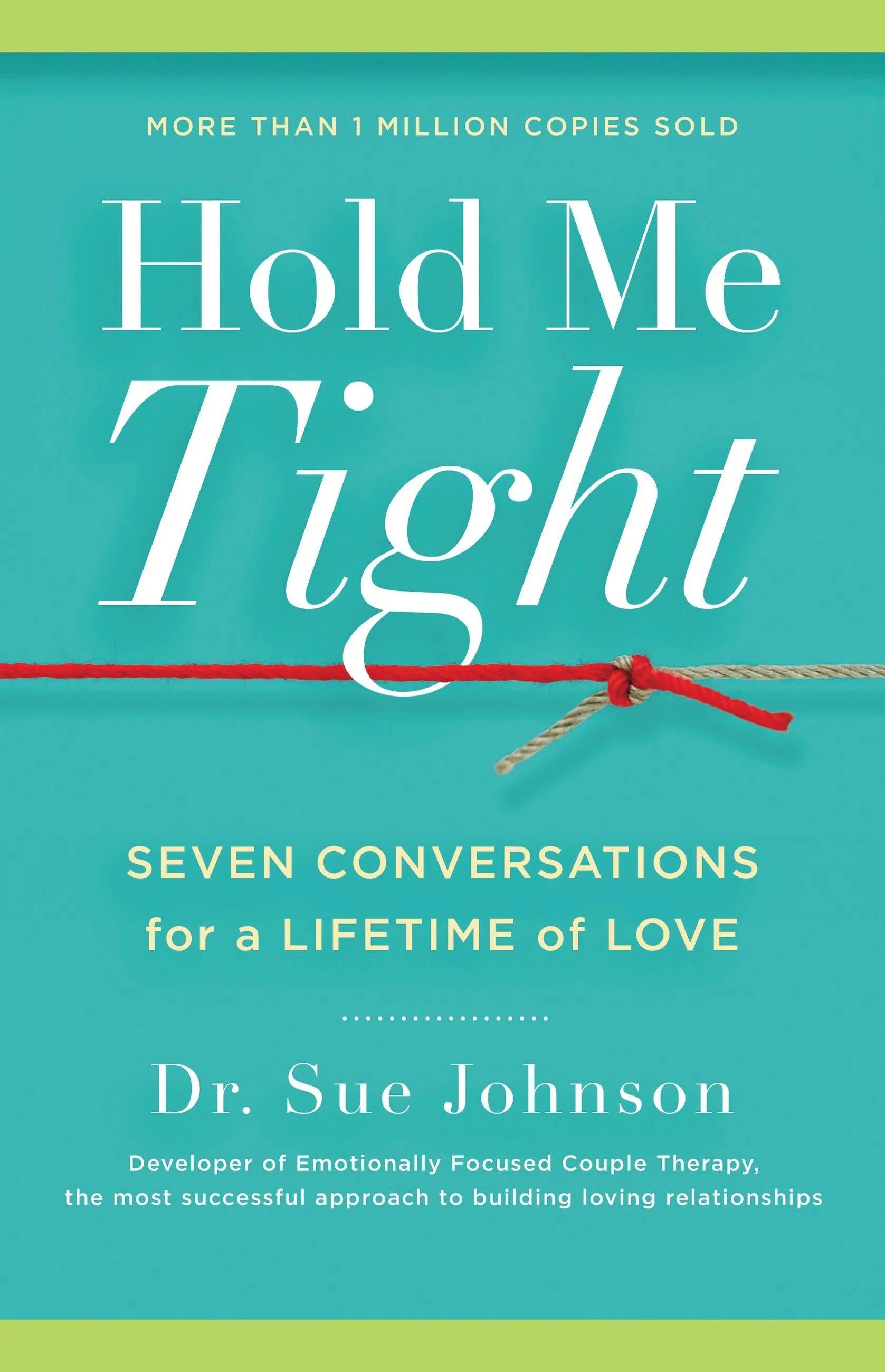
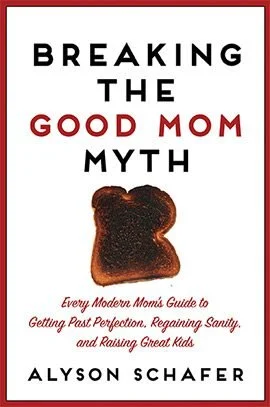
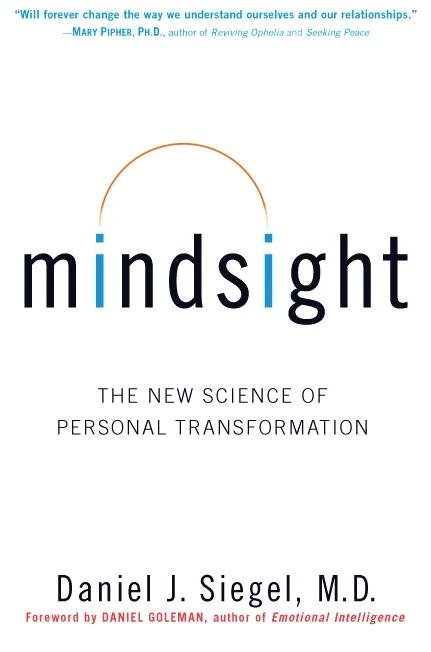
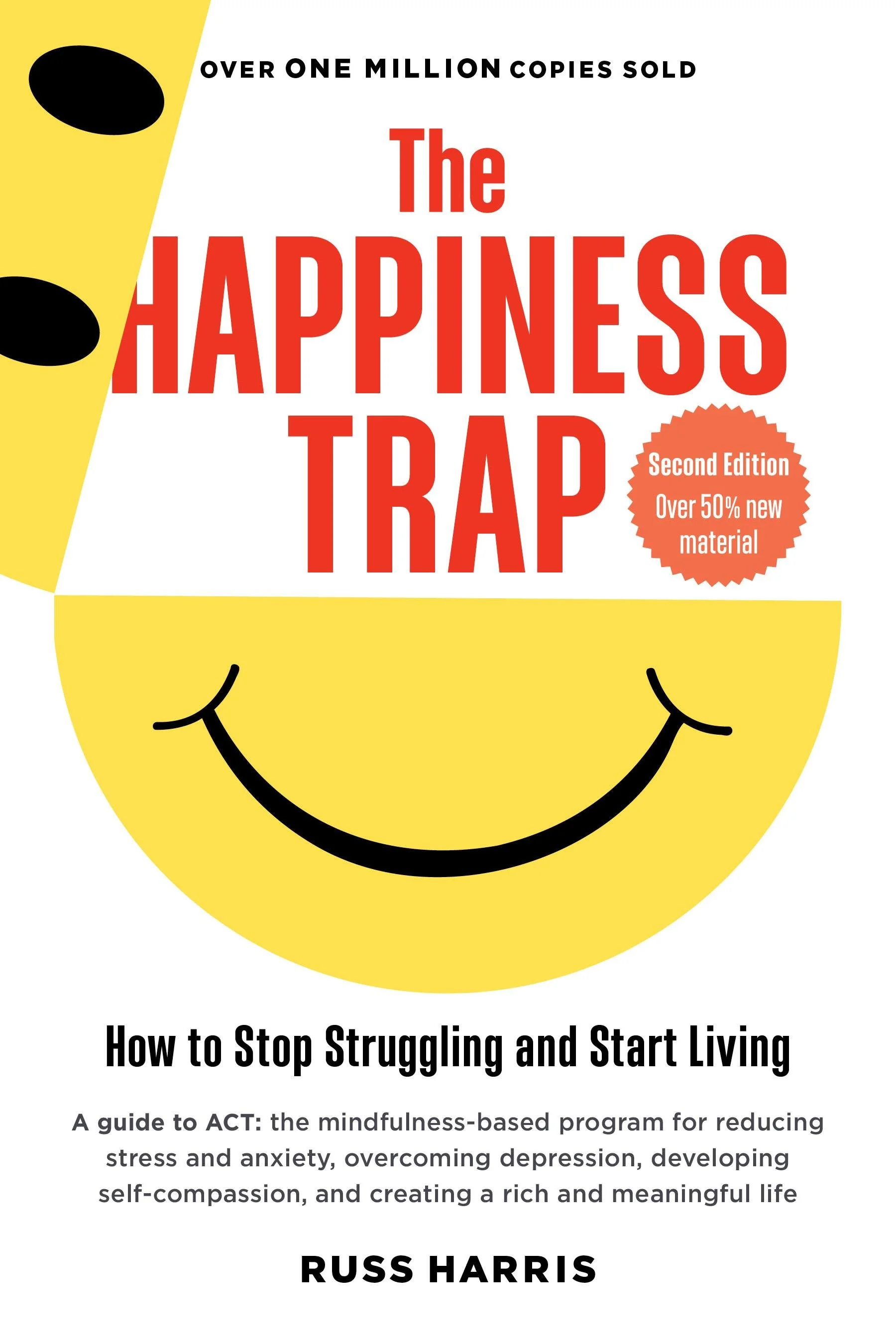
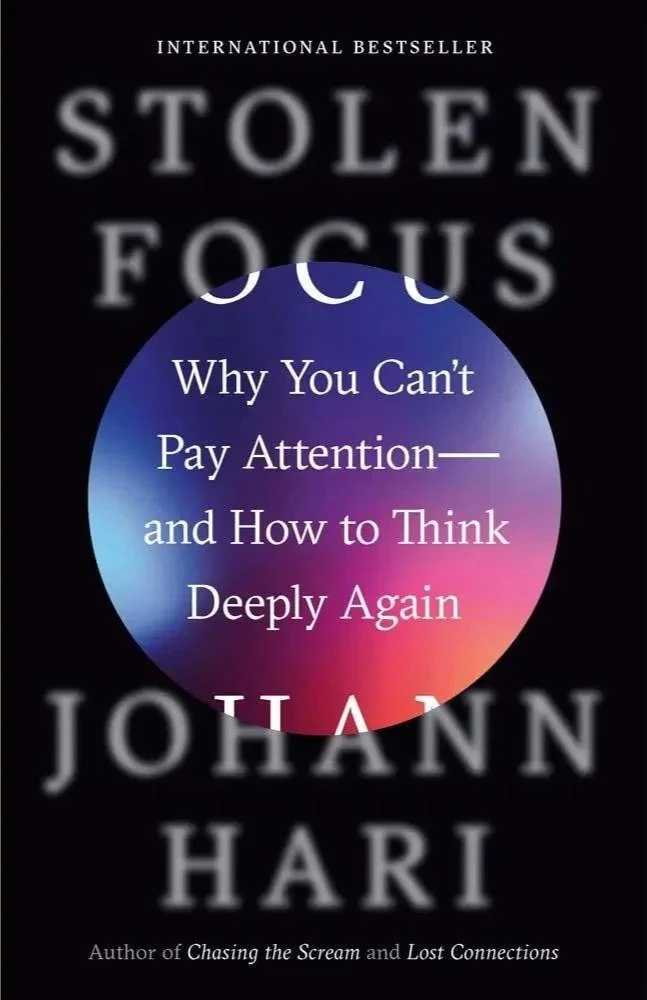
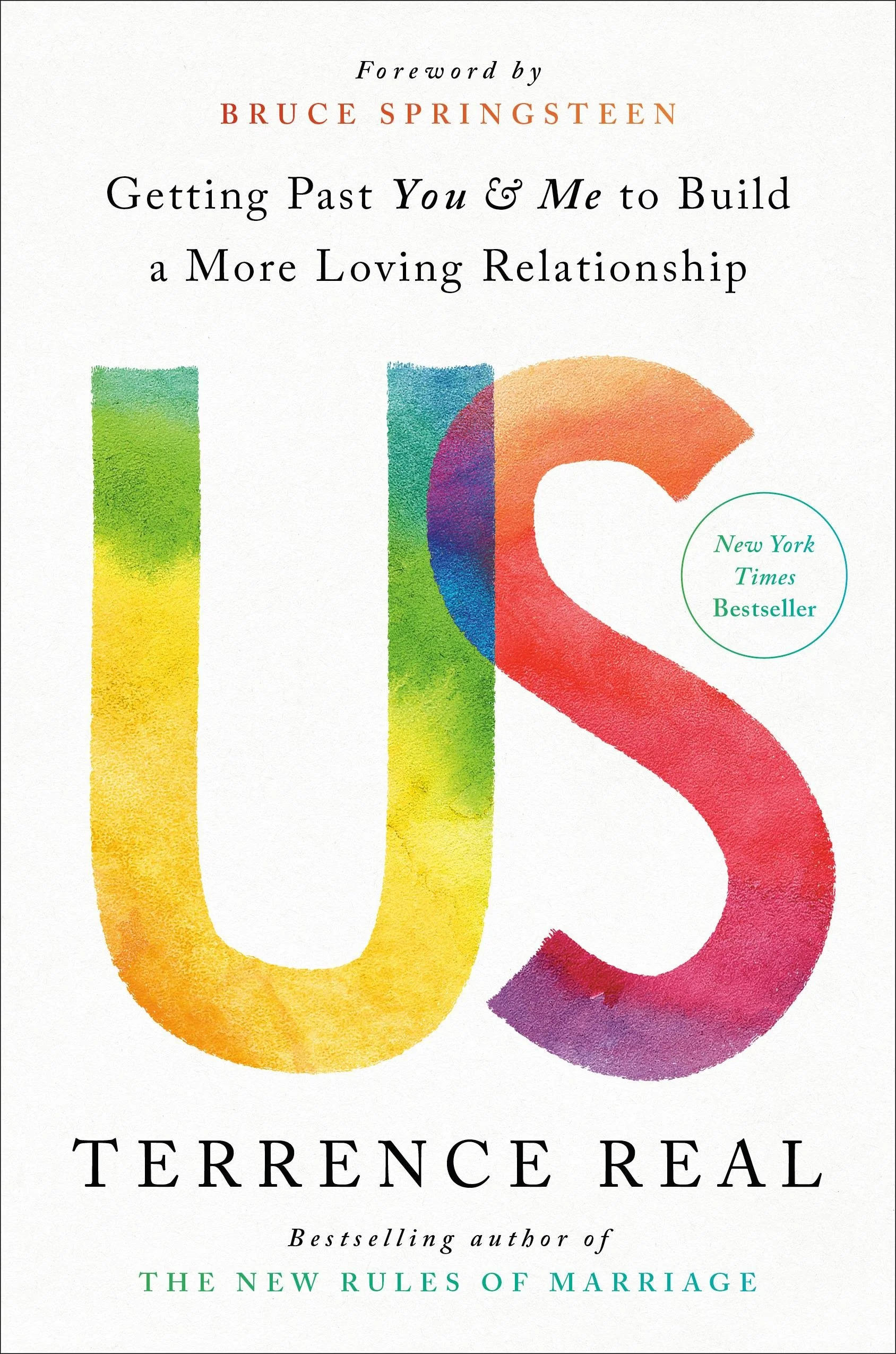
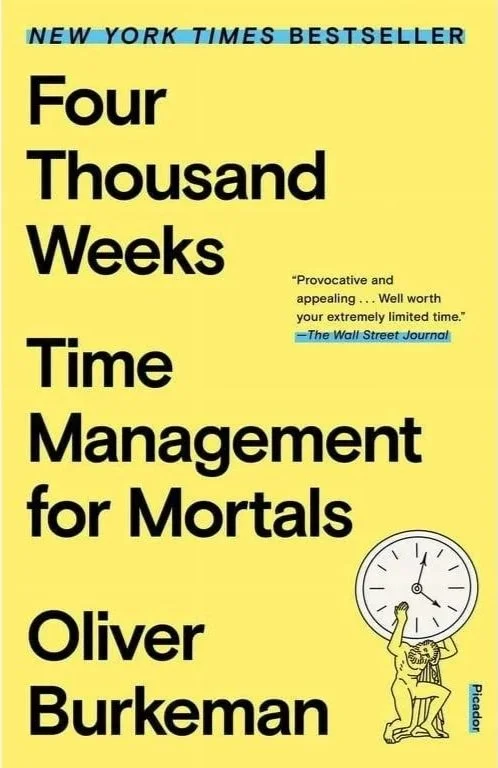
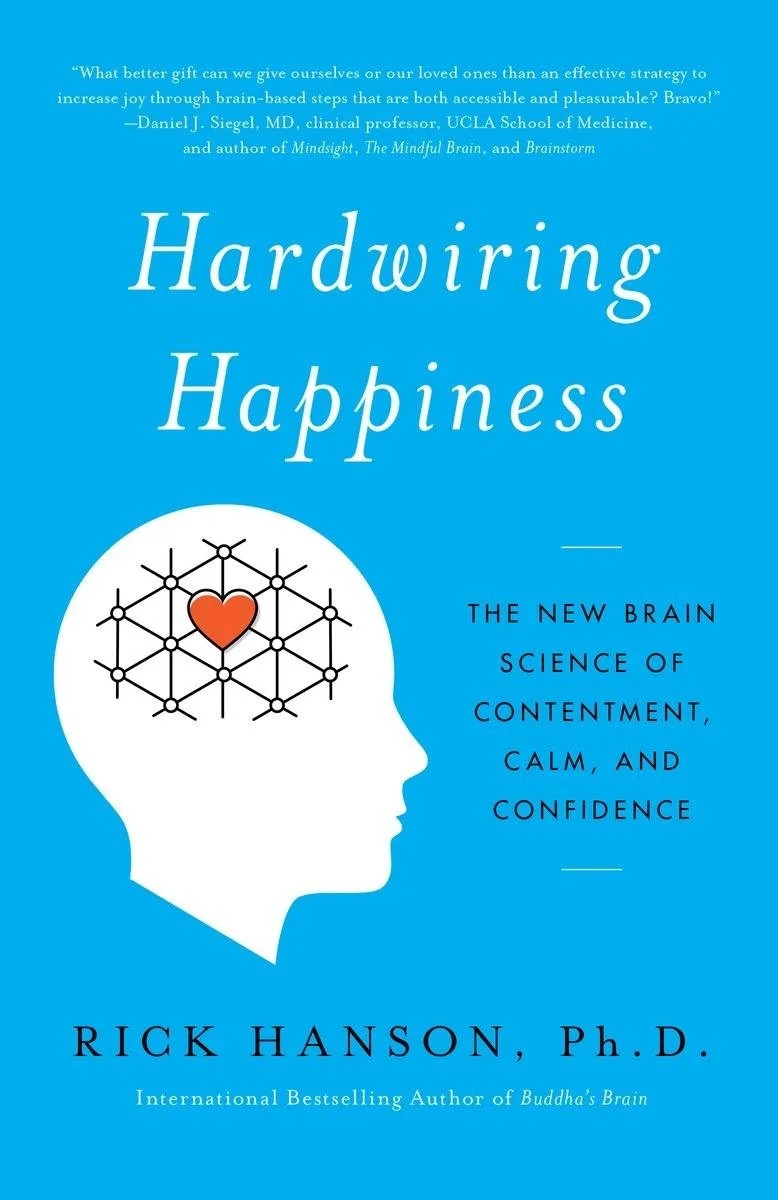
These are a few books I've found especially valuable for understanding ourselves, our relationships, and the ways we respond to life's challenges. Some offer practical tools, while others invite us to reconsider what we think we know about our brains, emotions, and patterns of behavior. You don't need to read them all, or even agree with everything in them. My hope is that something here sparks curiosity, offers a new perspective, or helps you approach yourself and your experiences a little differently.
Ready to Get Started?

If you're considering therapy and want to see whether working together makes sense, you can reach out through the contact page.